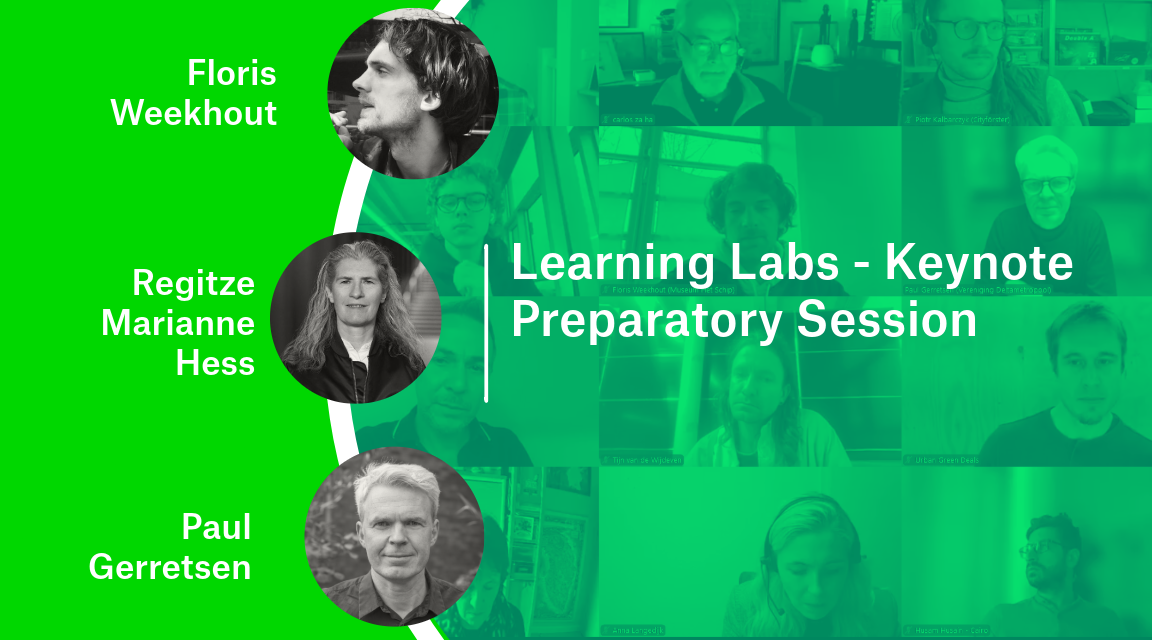


IFHP x VDM Learning Labs
Cross-border exchange
The Learning Labs is an online exchange and learning platform between IFHP and Deltametropool members, aiming to foster knowledge exchange and develop practical, scalable solutions that can be implemented across diverse urban contexts. Through a blend of international expertise, case studies, and collaborative discussions, this series will lay the groundwork for innovative urban planning strategies adaptable to cities worldwide.
Summary
This monthly labs series initiative is designed to foster collaborative learning and exchange among members of the VDM and IFHP networks. We will delve into critical themes surrounding affordable housing, governance models, and climate-adaptive urban strategies from around the world. This agenda aims to explore the interconnectedness of housing, planning, and governance from both historical and contemporary perspectives, fostering a comprehensive understanding of the challenges and solutions in urban development.
Through this series, we attempt to create a platform to receive inputs from our members and exchange ideas and discussions. Members showcasing their current work, projects, agenda within the theme of housing, planning and governance.
Practicalities
- Frequency: Monthly sessions (First Wednesday of the month)
- Duration: 90 minutes each (14:00 – 15:30 CET)
- Format: Online exchange via zoom
Series of nine labs
Sessions 0 to 8:
0. Preparation (27th Nov): In this preparation session we did set the stage for our upcoming discussions on affordable housing, governance, and climate-adaptive strategies together with our members.
1. Changing Relations Between Housing, Planning, and Governance (29th January 2025): This theme will trace the evolution of housing policies, governance structures, and planning practices from the past to the present. (Historical context, modern adaptations, inter-sectoral transitions, case studies etc.)
2. Alternative Housing Models (26th February 2025): This theme will explore various alternative housing models. (Community land trusts, cooperative housing, comparative analysis etc.)
3. By the community, for the community (26th March 2025): This session will focus on community-led housing solutions, highlighting the role of participatory planning and engagement in addressing the housing crisis. (Community engagement, participatory planning, empowerment through housing etc.)
4. Retrofitting in Existing City Limits (30th April 2025): Focuses on upgrading and adapting existing urban infrastructure to meet modern housing and sustainability needs. (Infrastructure and housing adaptation, modernisation of existing buildings etc.)
5. Changing Demographics – Urban Migration and Governance (28th May 2025): Investigates how shifts in population dynamics and urban migration challenge governance and housing systems. (Demographic shifts and population dynamics analysis, governance models for mobility etc.)
6. Housing Policies and Socio-economic Inequality (24th September 2025): Analyzes the role of housing policies in perpetuating or reducing social and economic disparities. (Social equity in Urban Development, Inclusive Housing Strategies)
7. Planning Crisis – Quantity vs. Quality Housing Debate (29th October 2025): These discussions will focus on the critical role of urban planning in enhancing climate resilience. (Sustainability Integration, Climate-Adaptive Planning etc.)
8, Housing Crisis – Affordable for whom? (26th November 2025): This session will compare the definitions and implementations of affordable and social housing across different regions and governance structures. (Definition Comparisons, Social Housing vs. Affordable Housing etc.)
