minute read

Eva Kuiper - 13 januari 2025

Toekomst Atelier Oostkop (Future Workshop), a collaborative initiative with Het Nieuwe Instituut, is a movement that redefines planning as a profession, hosting interdisciplinary dialogue to challenge traditional systems and address the urgent demand of climate transitions and emergencies.

Expert Roundtable Session

— Reporting Back

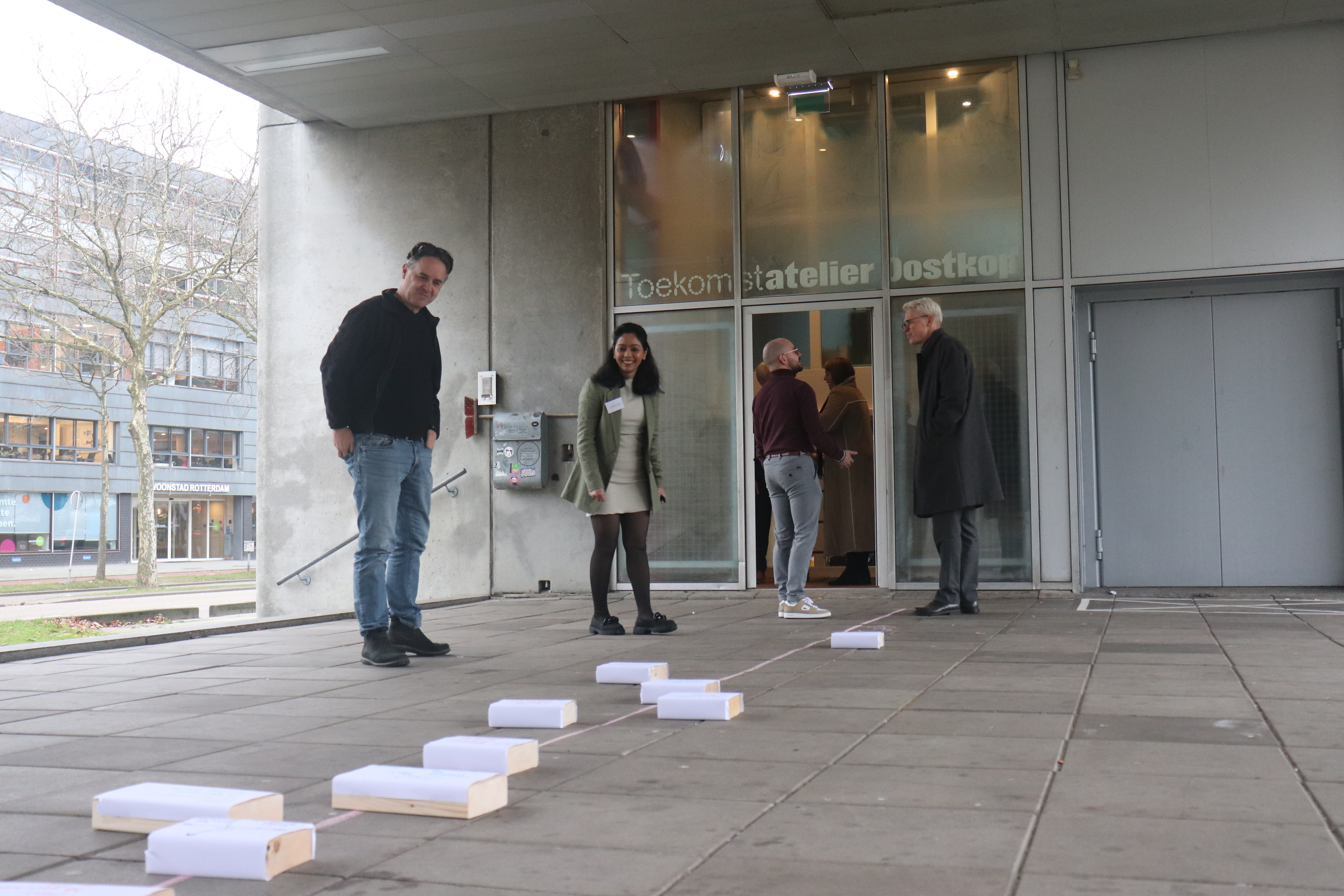

We are excited to share that the Expert Roundtable Session on December 13, 2024, as part of the Bauhaus of the Sea Sails project, was a great success!  This event, organized by Deltametropolis Association in collaboration with Toekomstatelier Oostkop (Het Nieuwe Instituut), Grenspark Groot Saeftinghe, and TU Delft, aimed to speculate on potential future turning points through an interdisciplinary panel discussion. Bringing together experts from diverse fields, including urban planning, ecology, cultural history, and climate adaptation, the session explored the future of the Flemish-Dutch Delta with a specific focus on the Saeftinghe region. The roundtable discussions served as a key step in achieving the project’s goal of bringing together expert knowledge, student creativity, and the local insights of Saeftinghe’s inhabitants.

Bauhaus of the Sea Sails

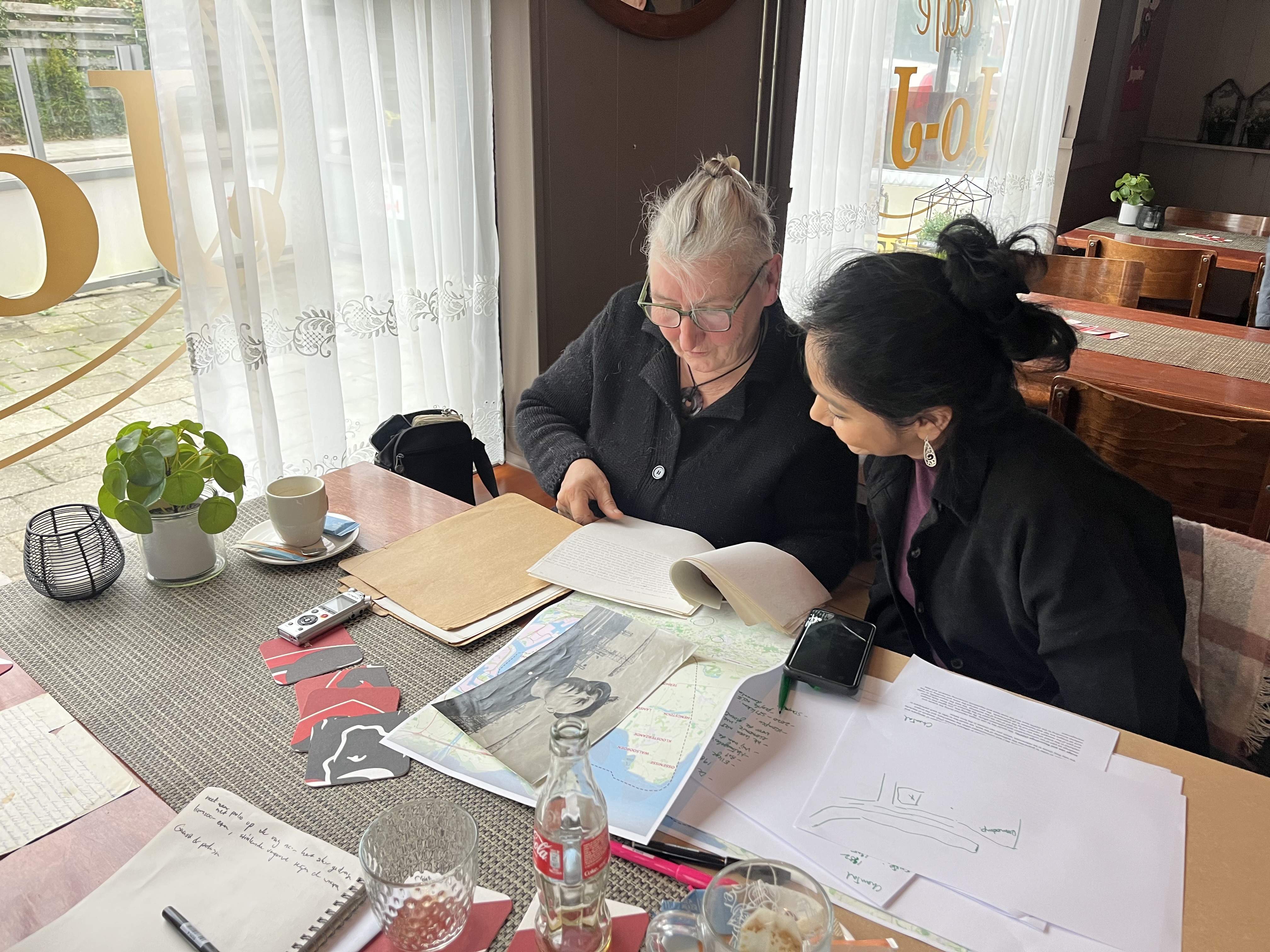
Throughout 2025, a series of events will take place as part of the Bauhaus of the Sea Sails project, aimed at addressing the challenges facing the Flemish-Dutch Delta, particularly the Saeftinghe region. The outcomes of these events will contribute to a long-term Delta narrative, with final a final presentation set for the end of the year. This session followed the first workshop, held on November 7, 2024, which focused on incorporating the voices and experiences of residents in Saeftinghe. 

Chantal & Alankrita: Story Telling Session November 2024

1.

Round Table Approach 

The session was designed to foster in-depth, cross-disciplinary exchanges through focused roundtable discussions and collaborative dialogue. Each session featured a panel of 4 experts accompanied by a moderator. Experts shared their prepared material, followed by collaborative dialogue on trends, challenges, and opportunities related to their thematic expertise. Themes included Climate change, Systems and transitions, society, and cultural values. Other guests and project team members gathered around the table, offering their reactions, questions, and insights to enrich the discussion. After each 45-minute session, the groups were reshuffled to encourage fresh perspectives and interdisciplinary interaction. 

2.

Climate Change 

The discussions on climate change highlighted the need for adaptive strategies that integrate both ecological and societal dynamics. Shifts such as sea-level rise and changing water patterns were addressed, emphasizing the interdependence between ecosystems and culture. Building resilience requires drawing on historical insights and cultural values to create systems that respect both nature and society. 

3.

Systems and Transitions

Addressing climate adaptation requires a focus on systemic transitions that integrate spatial planning, governance, and public engagement. Strategies must balance urban densification with sustainability, while also fostering transformative innovation and interdisciplinary collaboration. Localized approaches that involve communities in shaping their environments are essential for ensuring solutions address both ecological and societal needs. Design plays a critical role in raising awareness, facilitating collaboration, and bridging gaps between sustainability and public engagement. By adopting adaptive, inclusive, and forward-thinking systems, societies can navigate the complexities of climate transitions effectively. 

4.

Society and cultural values

Cultural values play a key role in shaping how communities interact with the environment. The discussions emphasized the ways in which cultural heritage influences people’s response to climate change. Art and cultural activism were recognized for their potential to inspire empathy and drive change. Solutions must integrate both cultural and ecological values to ensure they are relevant and effective. This approach fosters long-term, inclusive change, addressing both societal and environmental needs. 

5.

Moving forward together

The discussions in this roundtable, alongside the documentation and visualizations from the first workshop, will directly inform the next stage of the project, where young designers, planners, and students will collaborate to develop future scenarios on the 30th of January. These scenarios will then be further developed during the second week of February in the Next Generation Podium online symposium. In summer 2025, the refined scenarios will be revisited with residents to ensure broad participation and relevance, shaping a long-term Delta narrative that integrates both local and global perspectives on climate adaptation. This is a crucial moment to involve more youth, as they represent the next generation that will live and adapt to the intensifying impacts of climate change. Additionally, addressing the financial challenges of climate adaptation, such as the “tragedy of the horizon”—the long-term time frame of seeing returns on mitigation investments, often averaging 40 years—will require innovative approaches.

To ensure continued relevance and impact, several strategies were proposed: Strengthening partnerships with organizations such as NL2120 and local governments. Encouraging broader citizen involvement in regional design and planning processes. Expanding research and design perspectives to address complex challenges. Enhancing cross-border collaborations, particularly in Zeeland and Vlissingen, for a unified approach to climate resilience.

We thank all participants for their valuable contributions and look forward to continued collaboration in the months ahead.
6.

Toekomstatelier Oostkop

The expert roundtable session marked a significant milestone in the launch of the Toekomstatelier (Future Studio) Oostkop initiative. Which serves a mission to bring together designers, government representatives, and societal institutions to realize the spatial landscape of the country. 

terug naar boven terug naar boven