
Why don't climate risks inform where we live?
When the climate risk meets reality
27 juli 2026
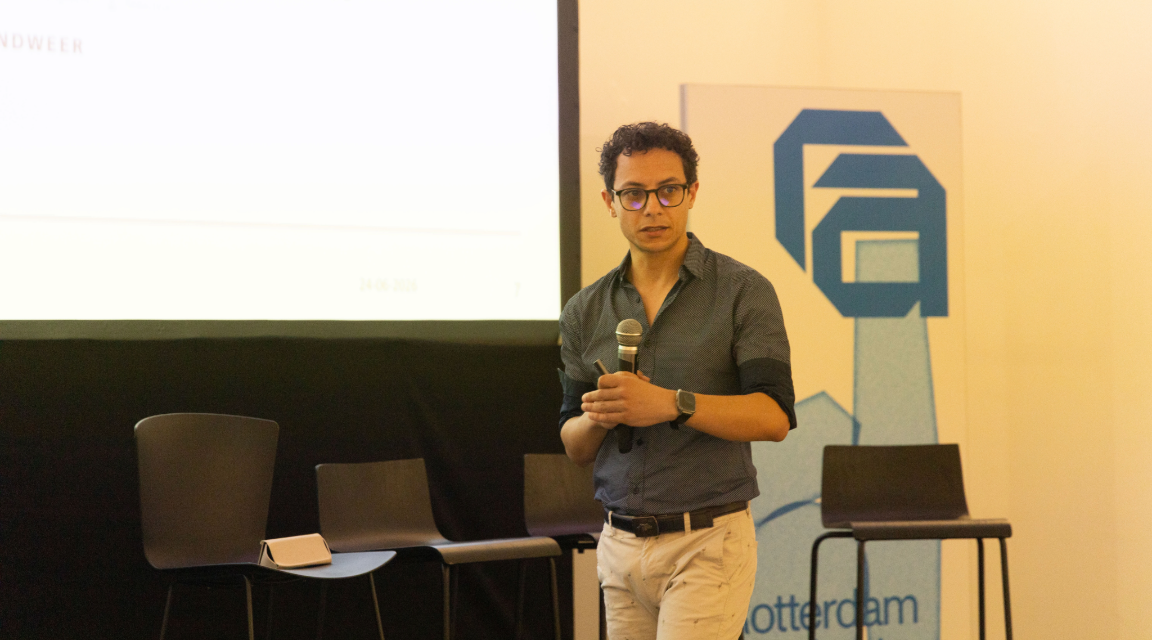
One in three Dutch households cannot afford to cover flood damage, yet most of us never check the flood risk before signing a contract. Together with Red&Blue we hosted When the climate risk meets reality on 24 June 2026 at Keilepand in Rotterdam. The event focused on the gap between climate risk awareness and actual decision-making in housing, finance, policy, and urban planning.
Maged Elsamny presented research on the Climate Damage Calculator, a tool that estimates climate damage at building-component level using real-world data. Other contributors included Jan Kadijk of DGBC, Esther Egeter of a.s.r., Robert Mens of Bouwinvest, and Corjan Gebraad of the City of Rotterdam.
The event explored why climate risk assessment tools often fail to influence real-world choices, despite the increasing urgency of flood and climate-related damage. It also aimed to stimulate discussion on whether the main barriers are the tools themselves, regulation, or market behavior.
The event highlighted a timely urban issue: climate risk is increasingly visible, but translation into action remains uneven. By bringing together research, finance, design, and municipal perspectives, the session helped frame climate adaptation as both a technical and governance challenge.
Meet the speakers
Maged Elsamny
 |
Maged Elsamny is a researcher at TU Delft’s Faculty of Architecture and the Built Environment, where he is developing the Climate Damage Calculator (CDC)—a tool that financially assesses climate damage to buildings using real-world data rather than simulations. His knowledge-driven model estimates climate risk at the building component level using physical resilience curves, with an initial focus on flood risks in Amsterdam. Maged’s work addresses the critical gap between physical climate hazards and their financial implications for property owners, cities, and the real estate sector. |
Jan Kadijk
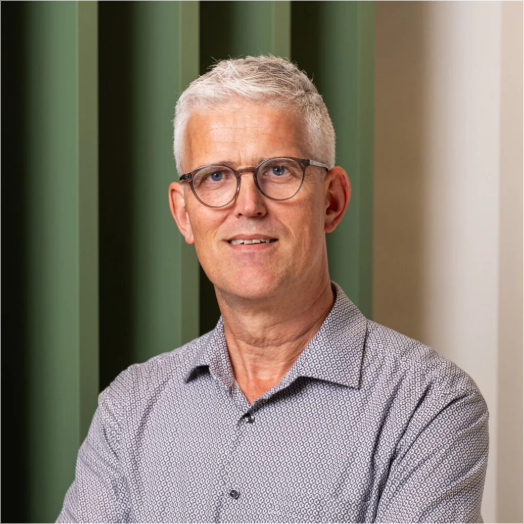 |
Jan Kadijk is Knowledge & Innovation Manager at the Dutch Green Building Council (DGBC). He is responsible for shaping the content of new DGBC themes such as climate adaptation, biodiversity, water-efficient construction and social sustainability. He also raises awareness of urgent societal issues and the role played by the construction and property sectors in addressing them. He is responsible for the development of the Framework for Climate Adaptive Buildings (FCAB), which outlines how physical climate risks can be made transparent at the building level. |
Esther Egeter
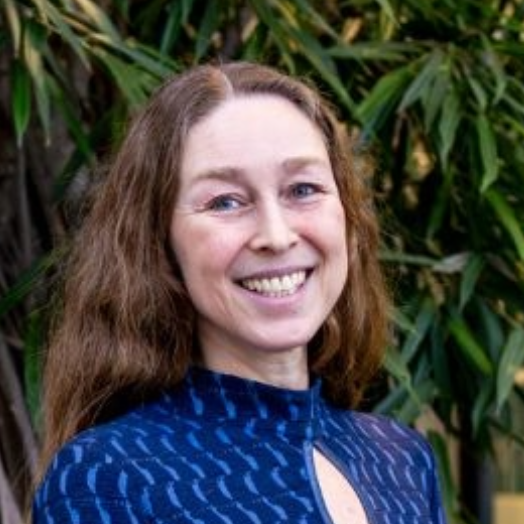 |
Esther Egeter is sustainability manager at a.s.r., focusing on climate, biodiversity, and the role of the financial sector in driving sustainable change. She works on translating complex sustainability regulation into practical action and contributes to national and international initiatives in the field. |
Robert Mens
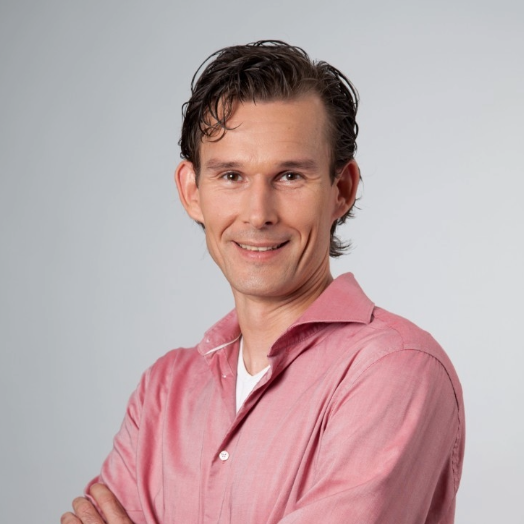 |
Robert Mens is a Geographical Information Analyst at Bouwinvest Real Estate Investors, where he creates all GIS content including maps, apps, and dashboards for one of Europe’s leading institutional real-asset platform |
Corjan Gebraad
 |
Corjan Gebraad is a Strategic Advisor at the Urban Management Division of the City of Rotterdam, Water Department, specializing in climate adaptation, governance, city resilience, and long-term climate and water management policies. |
